Foundations
Stabilize your settling foundation – without major excavation.
Fill voids, stabilize soil, and stop foundation settlement before it causes serious damage.
Done in hours, not weeks
Proven technology that lasts
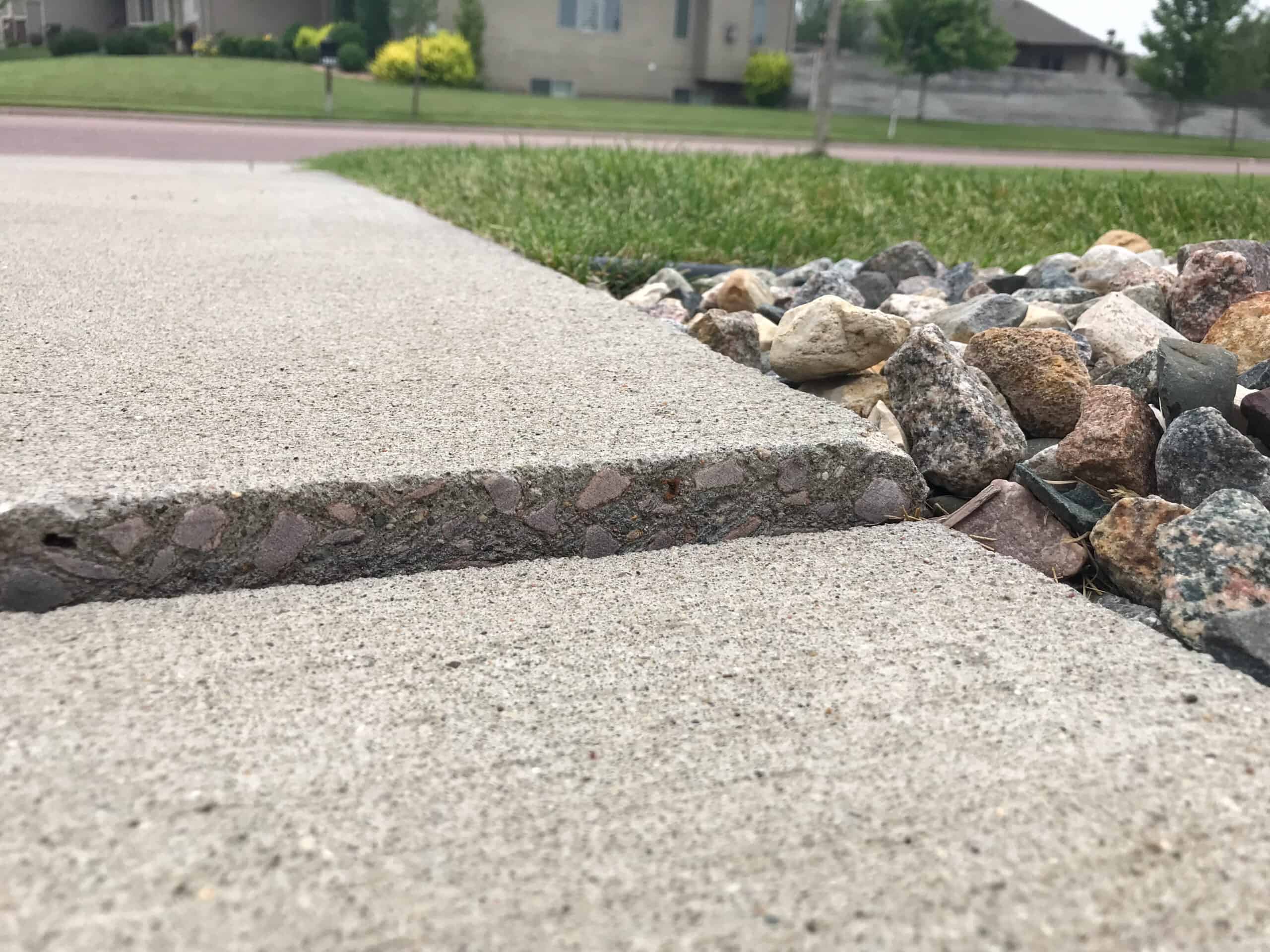
No more trip hazards
Why Do Foundations Settle?
Foundations settle when the soil beneath them can no longer support the weight of the structure. This happens slowly—but the effects show up fast.
Common causes include:
- Poorly compacted fill soil during construction
- Soil erosion from water infiltration or poor drainage
- Drought conditions causing soil to shrink and pull away
- Freeze/thaw cycles shifting the soil
Left untreated, settlement continues. Cracks appear in walls, floors, and ceilings. Doors and windows stick. And what started as a minor shift becomes a major structural issue.
The Fix: Foundation Stabilization
We use polyurethane foam injection to fill voids and stabilize the soil beneath your foundation. In some cases, this can lift settled sections back toward level. In others, the goal is to stop further movement and prevent additional damage.
- Minimally invasive – no major excavation required
- Done in hours – not days or weeks
- Fills voids beneath the foundation
- Stabilizes soil to prevent further settlement
- Long-lasting results that won’t erode or wash out
Signs Your Foundation Needs Attention
- Cracks in interior walls, especially near doors and windows
- Cracks in the foundation itself
- Doors or windows that stick or won’t close properly
- Uneven or sloping floors
- Gaps between walls and ceilings or floors
Foundation issues don’t fix themselves—they get worse. If you’re seeing any of these signs, it’s time to get an estimate.
Get a free quoteReady to Fix Your Concrete?
Don't wait for a small problem to become a big one. Get a fast, free quote and see how much you can save.