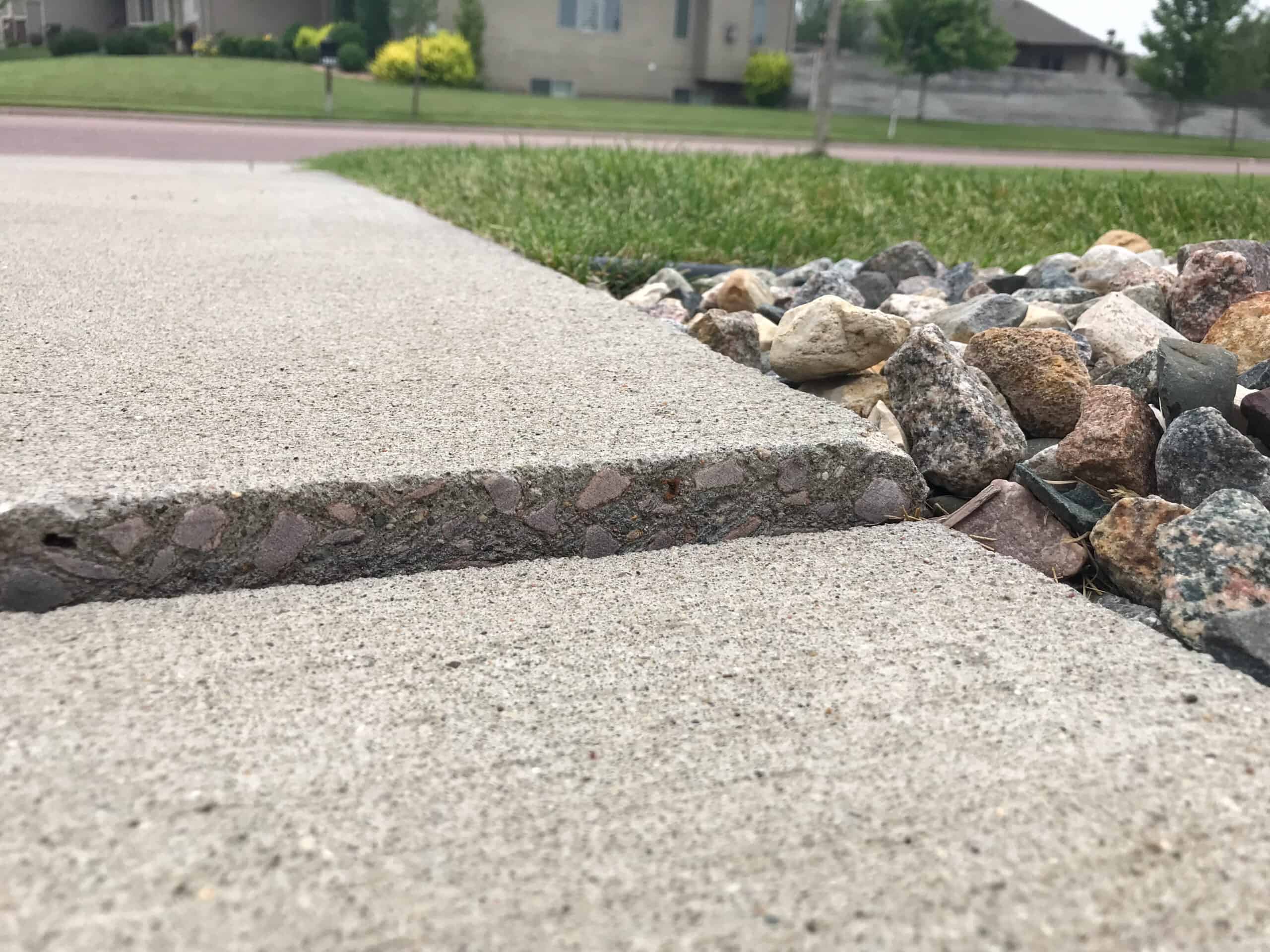
Raise sunken concrete back to level – fast, affordable, and built to last.
Save up to 70% compared to replacement. Most jobs are done in just a few hours.
Done in hours, not weeks
Proven technology that lasts
No more trip hazards
What Is Concrete Lifting?
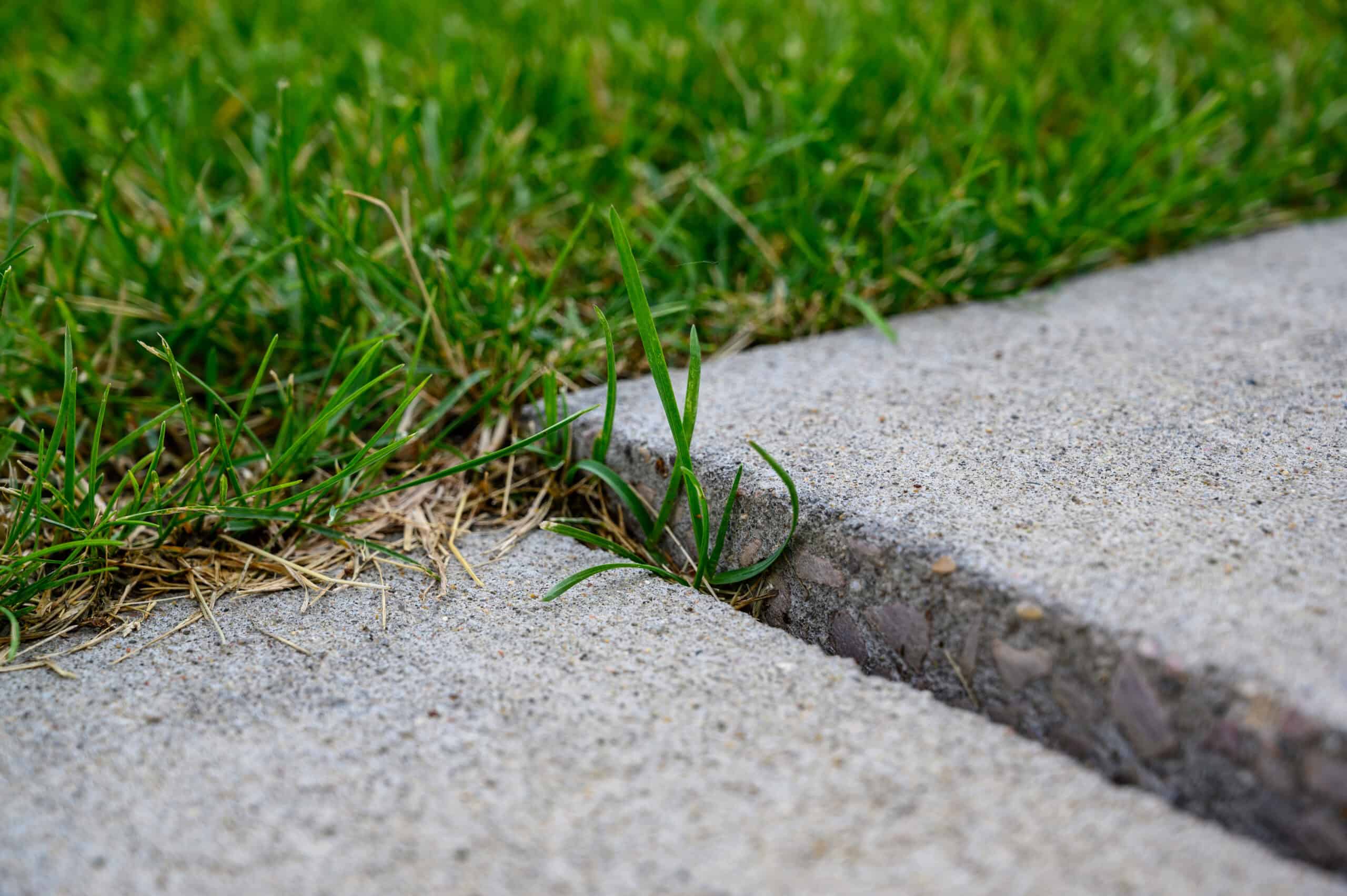
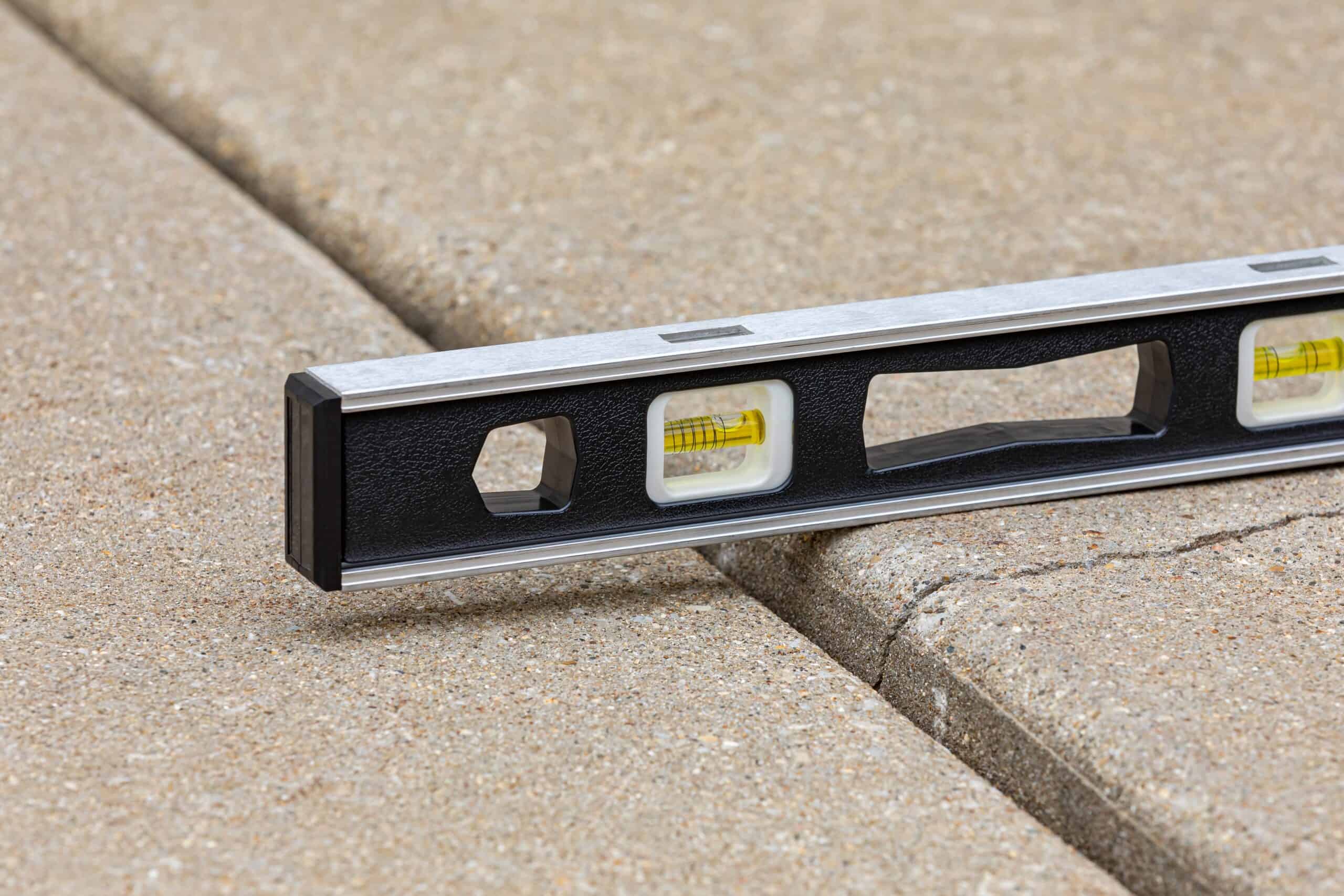
Concrete lifting is a repair method that raises sunken, settled, or uneven concrete back to its original level – without tearing it out and replacing it.Over time, the soil beneath concrete shifts, erodes, or compacts. This creates voids that cause slabs to sink. Driveways dip. Sidewalks become uneven. Warehouse floors settle. And what starts as a small problem becomes a safety hazard and an expensive repair.
Concrete lifting fixes the problem by injecting material beneath the slab to fill voids and raise the concrete back into place. It's faster, less disruptive, and costs a fraction of full replacement.
How Does Concrete Lifting Work?
The most common method today is polyjacking – also called foam jacking or polyurethane concrete lifting. Here's how it works:
- We drill small, dime-sized holes into the settled slab.
- We inject high-density polyurethane foam through the holes.
- The foam expands beneath the slab, filling voids and lifting the concrete back to level.
- We patch and seal the holes. Your concrete is ready to use the same day.
The entire process takes just a few hours for most jobs – with no heavy equipment, no jackhammers, and no torn-up landscaping.
Learn More About Polyjacking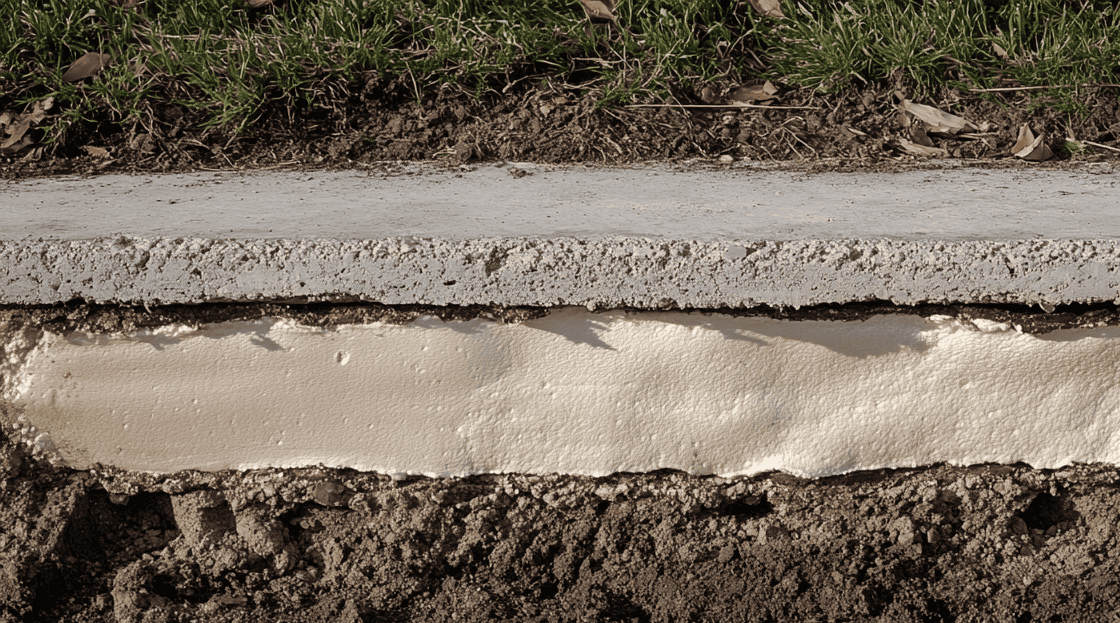
Who We Serve
We provide concrete lifting for homeowners, businesses, and municipalities across Minneapolis and Minnesota.

Applications
Applications

Applications
Concrete Lifting Methods
There are different methods used to lift concrete. Here's an overview:
Polyjacking (Foam Jacking)
Polyjacking uses high-density polyurethane foam to lift and stabilize sunken concrete. It's the most precise, lightweight, and durable method available today.
- Small injection holes (dime-sized)
- Cures in minutes
- Waterproof and long-lasting
- Supports heavy loads
Mudjacking
Mudjacking uses a cement-based slurry to lift concrete. While effective, it requires larger holes, adds more weight to unstable soil, and may settle again over time.
Duranova uses polyjacking for all concrete lifting projects because it delivers faster, more precise, and longer-lasting results.
Questions About Concrete Lifting? We Have Answers.
Concrete lifting is a repair process used to raise and stabilize sunken or uneven concrete without removing and replacing it. By injecting specialized material beneath the slab, voids are filled and controlled pressure is applied to gently reposition the surface closer to its intended alignment.
This improves safety, functionality, and appearance—often with minimal disruption compared to full replacement.
There are two primary methods used to lift concrete: polyjacking and mudjacking. Both aim to raise settled slabs, but they use different materials and techniques, which affects performance, durability, and cost.
Polyjacking (also called foam jacking) is a modern concrete lifting method that uses expanding polyurethane foam injected beneath the slab. The foam fills voids, stabilizes the soil, and gently raises the concrete into better alignment.
Polyjacking is lightweight, cures quickly, and allows for precise, controlled lifting. Because the foam is waterproof and resistant to erosion, it is commonly used for residential, commercial, and municipal applications.
Both methods lift sunken concrete, but they rely on different materials which results in differing repair effectiveness and longevity.
Mudjacking uses a heavy, cement-based slurry made from water, sand, and cement. Polyjacking uses expanding polyurethane foam.
Because polyurethane foam is significantly lighter, requires smaller injection holes, and cures faster, it allows for more controlled lifting with less disruption. The foam is also waterproof and less prone to erosion over time, which contributes to longer-lasting results.
For these reasons, polyjacking is often preferred for most residential and commercial projects.
When performed properly, polyjacking repairs can last for decades.
Future settlement is uncommon but can occur if underlying soil conditions change significantly, such as from drainage issues or underground washout.
Yes — polyurethane concrete lifting (polyjacking) is widely considered an environmentally responsible repair method. Instead of removing and replacing concrete, the process lifts and stabilizes the slab in place, helping reduce landfill waste, heavy equipment use, and the need for new raw materials.
The high-density foam we use is chemically stable and inert once cured, meaning it will not leach into surrounding soil or groundwater. Additionally, our foam includes biobased content and carries the USDA Certified Biobased Product label, supporting the use of more sustainable raw materials.
Concrete lifting using polyurethane foam typically costs 50–70% less than full replacement. Pricing depends on slab size, depth of settlement, access, and site conditions.
Most residential polyjacking projects range from $800 to a few thousand dollars, while larger commercial and municipal projects vary based on scope and complexity. We provide free, no-obligation estimates to determine the most appropriate solution for your project.
In many cases, yes. If the concrete is structurally sound but has settled due to soil movement or erosion, lifting is typically far more cost-effective and faster than tearing it out and pouring new concrete. However, if the slab is severely cracked, deteriorated, or the surrounding area is structurally compromised, replacement may be the better option. We evaluate this during your estimate.
Yes. We provide free, no-obligation estimates for residential, commercial, and municipal projects. Simply request a quote online or give us a call to get started.
Ready to Fix Your Concrete?
Don't wait for a small problem to become a big one. Get a fast, free quote and see how much you can save.